
Walking the tables in Darwin at midday is a different animal to the arvo session at a pub casino. You see punters lean in when the stakes match their bankroll, and walk away when the minimum eats into their discipline. That is the practical heart of any casino table stakes comparison, and it matters just as much when you are weighing a local floor against an online cashier. I have spent twenty years supervising tables, coaching dealers, and watching how bet sizing changes behaviour, so the numbers below are written from that floor-level view rather than from a marketing desk. If you want to read a broader slots take that sits beside this table-games focus, you can find it at https://sweetbonanza2500au.com/ and use it as a side reference rather than a substitute for what follows.
What the minimum actually buys you on the felt
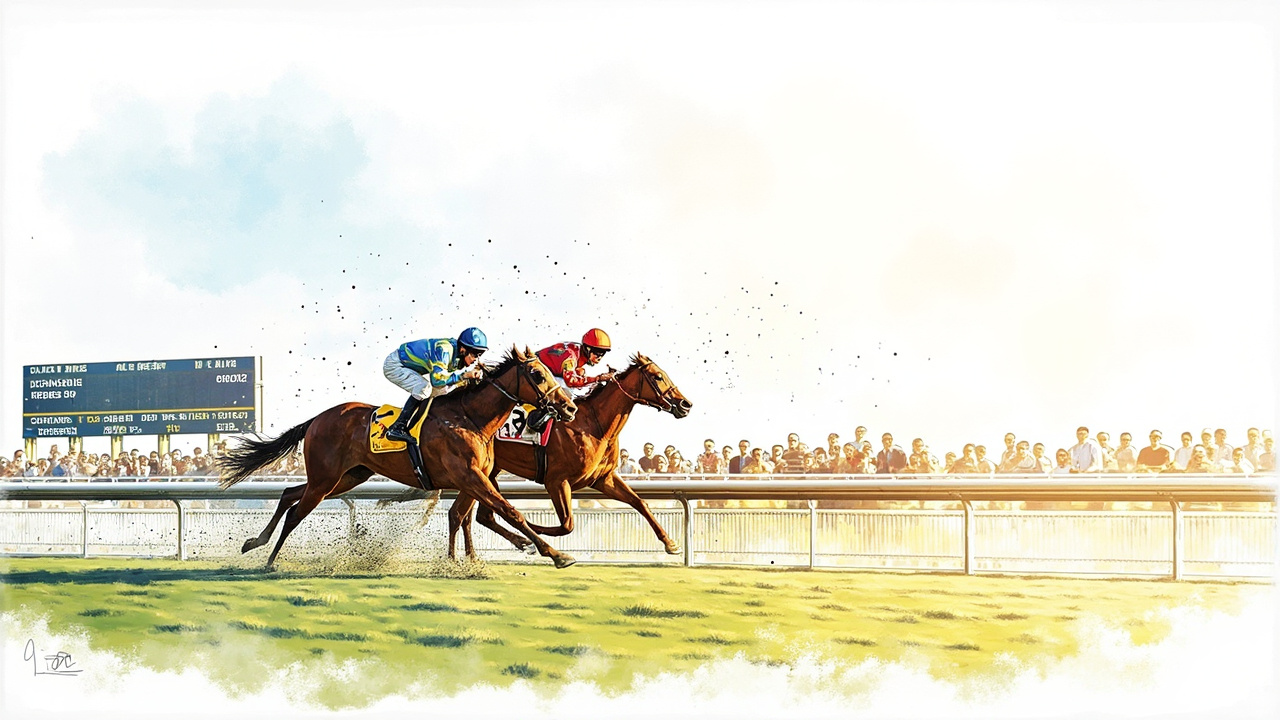
A table minimum is not just a number on a placard; it is the price of staying in the game long enough for your decisions to matter. On a $10 blackjack table you can spread a conservative progression, on a $25 table the same bankroll gets chewed faster, and on a $50 table you are effectively paying a premium for pace and a quieter pit. I once sat with a regular in Darwin who brought a fixed session bankroll and asked me which minimum let him play three hours without blowing through it by the second hour. We ran the maths together, and the answer was never the flashiest table, it was the one whose minimum left enough room for variance. That is the comparison I always make first: minimum versus session length, not minimum versus excitement. When you are doing a casino table stakes comparison, the right starting point is your own run-of-play, because a low minimum that tempts you to overplay is worse than a higher one you can actually sustain.
Cashier flow, currencies, and the verification gate
The real friction in any casino table stakes comparison usually shows up at the cashier, not on the felt. Deposits should move in a currency you recognise without hidden conversion drag, and withdrawals should follow a clear path rather than bouncing between tabs and support tickets. I have watched compliant operators treat verification as a normal part of the flow, asking for the same documents in the same order every time, and I have watched others turn a simple cash-out into a scavenger hunt. The difference matters because a table game is only as good as your ability to get in and out of it without losing your head over paperwork. A sensible cashier allows modest limits that fit a session, processes in a predictable window, and keeps AUD as the default so you are not trading in strange denominations just to place a bet. If the payment flow feels like samuraispincasino.com an obstacle course, the stakes on the table stop being the main issue.
- Check the cashier for an AUD default and confirm whether your deposit method settles in the same currency before you fund the account.
- Read the limit structure for both sides of the transaction, because a convenient deposit means little if the withdrawal ceiling is tighter than your session plan.
- Complete identity verification before your first withdrawal request so the paperwork does not interrupt a winning run or a planned stop.
- Note the processing window and any cut-off times, then plan your cash-out around them instead of assuming an instant turnaround.
- Keep a simple record of deposit and withdrawal dates, because a clear trail makes it easier to judge whether the cashier is behaving consistently.
A chat with the compliance lead on responsible limits
I asked Ethan Wright, Head of Public Relations, Blue Gum Gaming Council, how a casino table stakes comparison should factor in player protection, and his answer was practical rather than polished. He said a fair comparison always starts with whether the operator gives punters usable tools before the session gets busy, not after the damage is done. He added that limits only work when they are set early and respected by the floor, which is why a table minimum that invites chasing is a red flag no matter how attractive the game looks. I have seen that judgment play out on our own floor, where a player who sets a loss limit before the first deal usually finishes the night intact, while the one who treats the limit as a suggestion ends up arguing with the clock. Wright’s point stuck with me because it matches what I have seen from the supervisor’s chair: the best stake setting is the one that leaves you in control when the arvo turns busy.
Who the stake structure fits, and who should walk past
A casino table stakes comparison only earns its keep when it ends in a clear fit for a specific kind of player. If you are a disciplined regular who likes to think in sessions, a modest minimum with a transparent cashier and a solid verification flow will usually suit you better than a high-roller table that eats time and bankroll in equal measure. If you are chasing a big swing on a small bankroll, the honest call is to walk past and come back when the numbers line up with your plan. I have supervised enough tables to know that the right stake is the one you can live with when the cards turn cold, not the one that looks generous when they run hot. The verdict is simple: match the minimum to your session, make sure the cashier is not the hard part, and treat any operator that blurs those lines as one to skip.
 juliamoreau69